
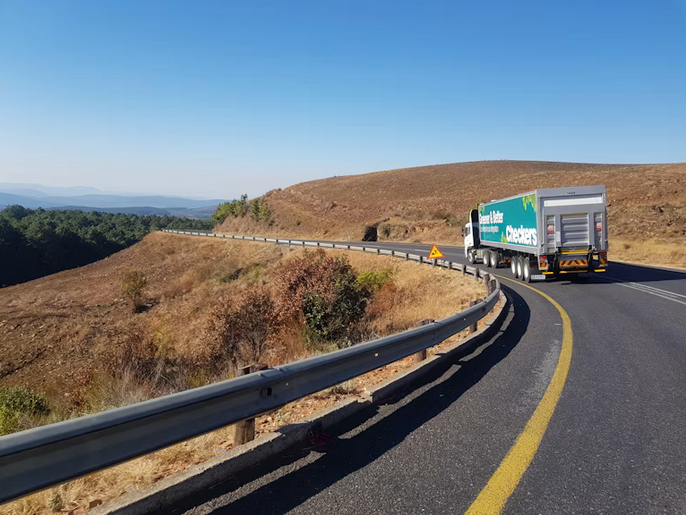
When a serious crash involves a large transportation company, the case usually isn’t just about what happened on the road. It becomes a deeper investigation into systems, policies, training, and corporate decision-making. These companies often have teams of adjusters, lawyers, and investigators ready to respond within hours of an incident. That means injured people can’t rely on a simple version of events or expect quick resolutions. Attorneys building these cases need to work methodically, collecting evidence early and understanding how every piece fits into a much larger picture of liability and compensation.
Understanding the Scale of the Opposition
Large transportation companies operate with layers of protection built into their business model. From national insurance coverage to internal safety departments, they are structured to limit exposure after an accident. Attorneys have to recognize that they are not just dealing with a driver, but an entire corporate system designed to manage risk. This means the early strategy focuses on identifying all potential sources of responsibility, not just the most obvious one, and preparing for aggressive defense tactics from the start.
Investigating and Preserving Evidence

One of the most important steps in building a strong case happens immediately after the incident. Critical evidence such as dashcam footage, driver logs, GPS data, and vehicle maintenance records can be quickly deleted or overwritten. That’s why attorneys often act fast to send preservation requests and secure key materials before they are lost or altered. You should know that H&P Accident & Injury Lawyers often emphasize the importance of early action because it can directly influence how strong the case becomes later on. Once evidence is secured, investigators can begin reconstructing what actually happened, rather than relying on incomplete reports or memory.
Using Federal Transportation Regulations to Establish Fault
Commercial transportation companies must follow strict federal rules that govern how long drivers can operate, how vehicles are maintained, and how cargo is managed. Attorneys carefully examine whether these rules were followed at the time of the crash. Even small violations, like missed maintenance checks or improper rest periods, can become powerful indicators of negligence. These regulations provide a structured way to evaluate responsibility, especially when corporate practices may prioritize speed and efficiency over safety compliance.
Working With Expert Witnesses and Reconstruction Specialists
Complex transportation cases often require input from specialists who can interpret technical evidence. Accident reconstruction experts help recreate the sequence of events using physics, vehicle data, and roadway conditions. Medical professionals may also be brought in to explain the long-term impact of injuries. These expert opinions can make complicated facts easier to understand, especially when presenting them to insurance companies or a jury. Their analysis often bridges the gap between raw data and a clear explanation of what went wrong.
Handling Insurance Teams and Settlement Pressure
Insurance companies representing large transportation firms are trained to minimize payouts. They may question medical treatment timelines, dispute liability, or push for early settlements before the full extent of injuries is known. Attorneys have to carefully manage these negotiations while protecting the client’s long-term interests. This often means pushing back against pressure tactics and relying on documented evidence rather than assumptions or quick estimates of damages.
Breaking Down Company Liability and Responsibility Chains

In many cases, liability doesn’t stop with the driver. Attorneys often investigate whether the company itself contributed to the conditions that led to the accident. This can include hiring practices, training procedures, scheduling demands, or failure to enforce safety policies. By breaking down the chain of responsibility, lawyers can identify whether the issue was isolated or part of a broader pattern within the organization. This approach is especially important when dealing with large fleets, where oversight may be inconsistent across different regions or departments.
Building a Trial-Ready Case From the Start
Even if a case never goes to trial, attorneys prepare as if it will. This approach shapes how evidence is collected, how witnesses are interviewed, and how arguments are developed. A trial-ready mindset forces thorough preparation and reduces the risk of surprises later in the process. It also sends a message to the opposing side that the case is being taken seriously, which can influence settlement discussions in a meaningful way.
Building a strong case against a large transportation company is rarely straightforward. It requires early action, careful analysis of evidence, and a deep understanding of both legal rules and corporate behavior. Every step, from preserving data to working with experts, plays a role in shaping the outcome. When done properly, this approach helps level the playing field between individuals and powerful commercial carriers, ensuring that accountability is based on facts rather than corporate advantage.…